Professional pest management for apartment common areas, basements, drainage systems, garbage rooms, service shafts, gardens and shared residential facilities.
Govt. Approved License No.: JDA/BU/PL/PE19-2039892/2020-2021
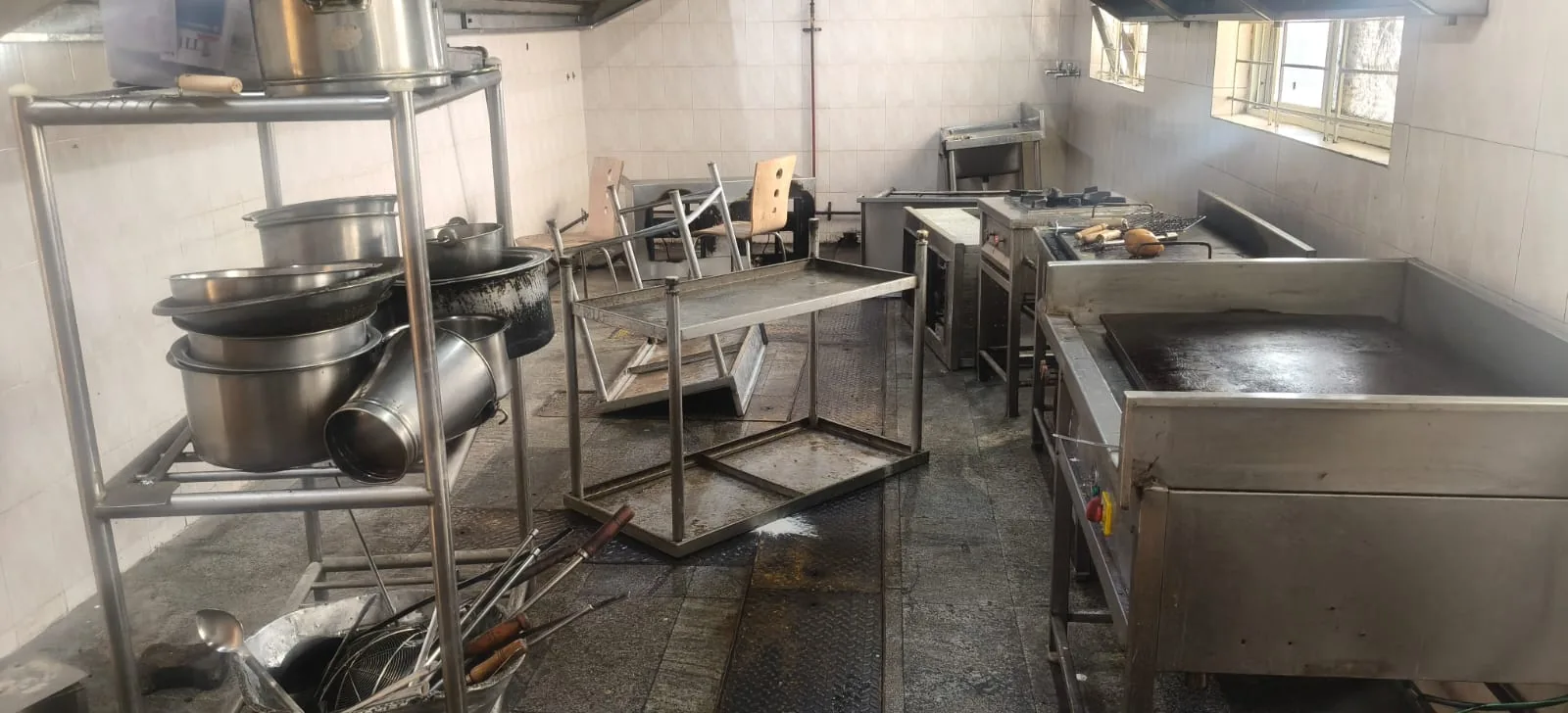
Residential complexes contain interconnected drainage systems, service shafts, basements, garbage areas, landscaped spaces and common utility zones that can allow pests to breed, shelter and move between different parts of the property.
Effective residential complex pest management should address common pest sources and movement pathways across the building rather than focusing only on individual flats. Regular inspection, source control, monitoring and preventive measures can help reduce recurring pest activity throughout the community.
Cockroaches and other pests may move through connected drains, service shafts and utility gaps, allowing pest activity to spread between apartments.
Pest activity around garbage rooms, drainage areas and shared spaces can create sanitation concerns for the residential community.
Recurring pest activity in lifts, corridors, basements, gardens or individual flats can affect resident comfort and confidence.
Rodents and termites may damage wiring, wooden fixtures, insulation and other building materials.
Treating individual flats without addressing breeding sources in common areas may allow pest problems to return.
Gardens, drains, waste areas and building perimeters may support mosquitoes, rodents, ants and other pests that can move toward residential blocks.
Inspection around parking bays, service ducts, drainage points, utility rooms and concealed spaces for rodent and cockroach activity.
Inspection of waste-storage areas, bins and surrounding spaces that may attract rodents, flies and cockroaches.
Inspection of common drains, chambers and moisture-rich areas that may support cockroach, fly and mosquito activity.
Inspection of plumbing and utility shafts that may act as movement pathways for cockroaches and rodents between floors.
Inspection of corridors, staircases, lift areas and shared spaces for signs of pest movement.
Inspection of vegetation, stagnant water, soil areas and outdoor surroundings for mosquitoes, ants and rodent activity.
Inspection around electrical, plumbing and maintenance spaces where pests may find shelter and access routes.
Inspection of shared kitchens, indoor recreation areas, washrooms and other resident facilities where food or moisture may be present.
Inspection around external walls, drains, gates, vegetation and structural gaps that may allow pests to enter the complex.
Inspection of terraces, drains and locations where water accumulation may contribute to mosquito breeding.
Inspect basements, garbage rooms, drainage systems, service shafts, gardens, utility areas and other common spaces.
Identify the pest species, level of activity and areas where infestation signs are concentrated.
Locate breeding sources, harbourage areas, food and moisture availability and structural movement pathways.
Identify common drains, shafts, utility routes and structural gaps that may allow pests to move between building areas.
Develop pest-management measures for common areas based on pest activity and property conditions.
Apply suitable control measures in identified pest sources and high-activity common areas.
Recommend improvements related to waste handling, drainage, proofing, landscaping and maintenance.
Conduct scheduled inspections to monitor pest activity and evaluate recurring sources across the property.
Long-term pest control in residential complexes works best when common-area source control is combined with good maintenance, waste management, drainage care and regular monitoring.
Keep garbage rooms clean and waste bins properly covered
Remove residential waste on a regular schedule
Maintain common drainage lines and chambers
Repair leaking pipes and water accumulation points
Seal gaps around utility pipes and common service openings
Monitor service shafts for cockroach and rodent activity
Keep basement utility and storage areas organised
Reduce unnecessary clutter in common areas
Control vegetation close to building walls where practical
Remove stagnant water from terraces and landscaped areas
Monitor external building perimeters for rodent entry points
Maintain door gaps and service entrances
Coordinate common-area treatment with flat-level pest management where cross-infestation is identified
Common-Area Focus
Inspection focuses on shared pest sources such as drains, garbage areas, service shafts, basements and landscaped spaces.
Cross-Infestation Assessment
Pest movement routes between common areas and individual flats can be considered when recurring activity is identified.
Source-Based Treatment
Control measures focus on identified breeding, harbourage and pest movement areas rather than visible pests alone.
Preventive Approach
Recommendations can address drainage, waste handling, structural gaps, moisture and other contributing conditions.
Scheduled Monitoring
Regular inspection can help detect changes in pest activity across shared residential spaces.
Multiple Pest Solutions
Residential complex programmes can address cockroaches, rodents, mosquitoes, ants, termites, flies and other relevant pests.
Property-Wide Pest Management
Services can be structured for apartment associations, societies and larger residential communities.
Bangalore Service Coverage
Standard Pest Control provides residential complex pest-management services across multiple areas of Bangalore.
Standard Pest Control provides common-area pest-management services for residential complexes, societies and apartment communities across Bangalore.
Search your locality below to find pest control services near you.
Schedule a common-area inspection to identify pest sources, cross-infestation pathways, breeding areas and suitable pest-management measures for your residential community.