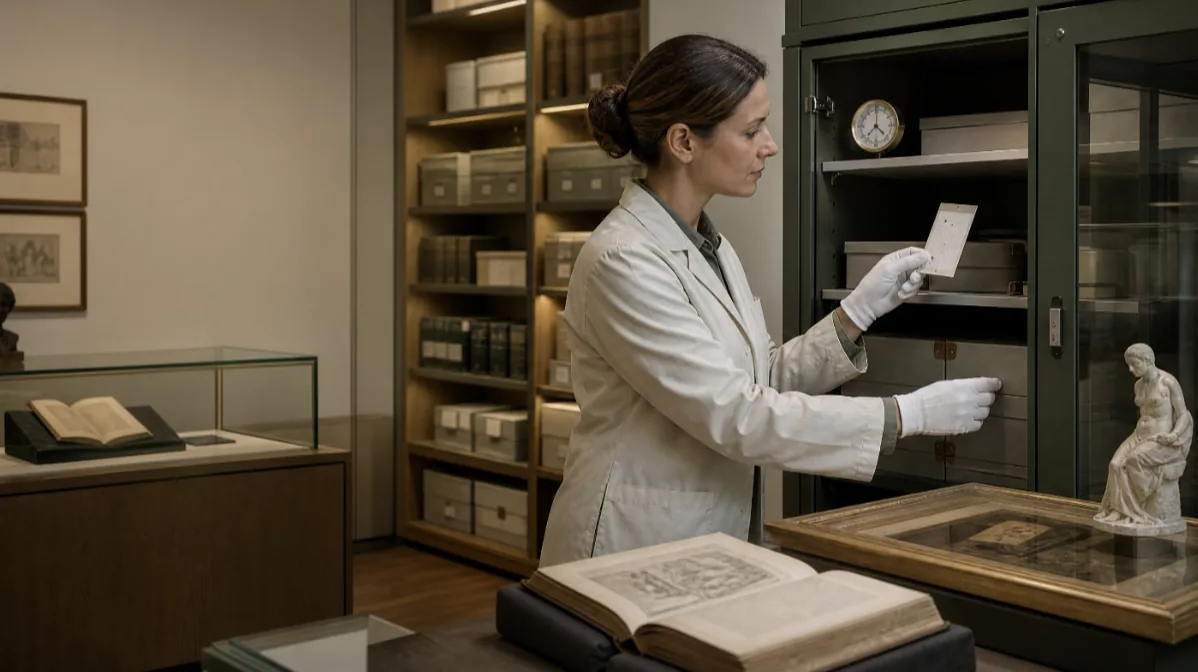
Museums and archives preserve objects that may be hundreds or even thousands of years old. Paintings, manuscripts, books, wooden sculptures, textiles, photographs, historical furniture and natural-history collections can all be vulnerable to pest damage.
Unlike ordinary commercial buildings, pest control for museums and archives requires an extremely careful approach. A treatment that eliminates insects but damages a rare manuscript, contaminates a collection or leaves residues on an artifact is not successful pest management.
For cultural institutions, the preferred approach is Integrated Pest Management (IPM) — preventing pests, monitoring collections, identifying species early and using carefully selected interventions only when necessary. The objective is to prevent pest damage while protecting artifacts, collections, staff, visitors and the museum environment. For professional commercial pest-management services in Bangalore, visit Standard Pest Control.
Why Museums and Archives Need Specialized Pest Control
Museums contain many materials that can provide food or shelter for insects and rodents. Collections may include:
- Paper
- Books
- Cardboard
- Wood
- Natural fibres
- Wool
- Silk
- Leather
- Fur
- Feathers
- Dried plants
- Seeds
- Natural-history specimens
- Historic furniture
Different pests attack different materials. This means pest management should begin by answering what pest is present, what material it is attacking, where it came from, how extensive the infestation is, and whether it can be controlled without exposing the collection to unnecessary chemicals.
What Is Museum Integrated Pest Management?
Museum IPM is a preventive approach to controlling pests. Instead of routinely spraying galleries and storage areas, an IPM programme combines: Prevention → Inspection → Monitoring → Identification → Documentation → Targeted Intervention → Follow-Up.
Preventive conservation guidance from institutions such as the Smithsonian Museum Conservation Institute emphasizes IPM as an important approach for protecting museum collections from pest damage.
Common Pests Found in Museums and Archives
Different collections attract different pests.
Silverfish
Silverfish prefer dark, humid locations and can damage materials containing starch or cellulose. They may affect paper, books, documents, wallpaper, cardboard and adhesives. Silverfish activity can sometimes indicate excessive humidity or moisture problems.
Booklice
Booklice are extremely small insects often associated with damp conditions and microscopic mould. Their presence may indicate a humidity problem rather than simply an insect problem. Controlling moisture is therefore an important part of management.
Carpet Beetles
Carpet beetle larvae can damage animal-based materials such as wool, fur, feathers, silk, leather and taxidermy specimens. The larvae, rather than adult beetles, generally cause collection damage.
Clothes Moths
Certain moth larvae can feed on animal-derived fibres. They may damage wool textiles, carpets, historic clothing, upholstery, fur and feather collections. Small infestations can remain hidden inside folded textiles or storage containers.
Wood-Boring Insects
Wooden artifacts, antique furniture, frames and structural timber can sometimes be attacked by wood-boring insects. Possible signs include small holes, powder or frass, tunnelling, weakening wood and adult insects around wooden objects. Professional identification is essential because not every hole in antique wood indicates active infestation.
Termites
Termites can be particularly destructive because activity may remain hidden. They may affect wooden furniture, structural timber, frames, storage shelving, wooden doors and historic wooden artifacts. A museum termite programme should protect both the building and the collections. For professional termite management, see Termite Control Bangalore.
Cockroaches
Cockroaches can feed on various organic materials and contamination. They may be found around staff kitchens, cafeterias, storage rooms, drains, waste areas and utility rooms. Cockroach activity around collections should be addressed quickly. See Cockroach Pest Control Bangalore.
Rodents
Rats and mice can cause significant physical damage. They may gnaw books and boxes, damage electrical cables, destroy packaging, contaminate storage areas, and use paper and textiles as nesting material. Rodent droppings and urine can also contaminate collection areas. See Rodent Pest Control Bangalore.
The First Priority: Prevent Pests From Entering
The safest pest is the pest that never reaches the collection. Inspect the building exterior for door gaps, broken windows, damaged screens, pipe penetrations, utility openings, roof gaps, cracks and drainage openings. Repairing these entry points can reduce pest activity without introducing pesticides into sensitive collection environments.
Create Pest-Control Zones
Large museums and archives should divide the facility into risk zones.
Collection Storage – Very High Sensitivity
These areas may contain irreplaceable objects. Prioritize monitoring, environmental control, housekeeping, quarantine and non-chemical intervention.
Galleries – High Sensitivity
Public exhibition areas require discreet monitoring without affecting visitor experience.
Receiving and Quarantine Areas – High Risk
New objects, packaging and loan materials may introduce pests.
Cafeterias and Staff Kitchens – High Pest Attraction
Food-related pests can originate here and migrate toward collection areas.
Waste Areas – High Pest Attraction
Garbage can support flies, cockroaches and rodents.
External Areas
Landscaping, drainage and building boundaries should also be inspected.
Quarantine Incoming Objects
One of the most important museum pest-prevention strategies is inspecting new material before it enters the main collection. Incoming objects can include acquisitions, loan items, returned exhibits, packing crates, cardboard boxes, furniture, books and textiles. Create a designated inspection or quarantine area where appropriate, and check for:
- Live insects
- Larvae
- Webbing
- Frass
- Holes
- Droppings
- Shed skins
- Eggs
Early detection can prevent a small infestation from spreading throughout a collection.
Monitor With Insect Traps
Sticky monitoring traps can help detect crawling insects before obvious damage appears. They may help identify silverfish, beetles, cockroaches, booklice and other crawling insects. Monitoring traps should be numbered and mapped, for example:
- Trap M01 – Manuscript Storage
- Trap M02 – Textile Collection
- Trap M03 – Gallery 1
- Trap M04 – Receiving Area
- Trap M05 – Staff Pantry
The traps should be inspected on a regular schedule.
Create a Pest-Monitoring Map
A floor plan can show every monitoring location, recording trap number, location, pest identified, count, date and corrective action. Over time, this creates valuable trend data.
If one trap repeatedly catches silverfish, investigate humidity and moisture around that area. If cockroaches repeatedly appear near a pantry, inspect sanitation and drainage. If beetles appear near a textile collection, inspect the collection immediately. The goal is not simply to count insects — it is to understand why they are appearing.
Not sure what's causing the problem? Get a professional inspection before you decide on treatment.
Book Free Inspection Call NowMonitor Temperature and Humidity
Environmental conditions influence both collections and pests. High humidity can encourage mould, booklice, silverfish and other moisture-associated problems. Museums should maintain environmental conditions appropriate for their collections and monitor for unusual changes. A sudden increase in pest activity can sometimes be a warning sign of a building or environmental problem.
Housekeeping Is Pest Control
Dust, food crumbs, dead insects and organic debris can provide food for pests. Create a regular cleaning programme covering floors, shelving, corners, behind cabinets, under display cases, storage rooms, staff areas and loading areas. However, collection areas should be cleaned according to conservation procedures — historic objects should never be casually cleaned by pest-control personnel.
Food Should Be Controlled Around Collections
Food and beverages can attract cockroaches, ants, flies, rodents and stored-product pests. Where possible, restrict eating to designated locations. Staff pantries and cafeterias should be separated from collection-storage areas and maintained to high sanitation standards. Waste should be removed regularly.
Manage Cardboard Carefully
Cardboard boxes can provide hiding areas and may introduce insects. Incoming shipments should be inspected, and unnecessary cardboard should not accumulate around collection storage. Where appropriate, museum-quality archival storage materials should be used according to conservation requirements.
Rodent Control in Museums
Rodent management should focus heavily on proofing and monitoring. Start by:
- Identifying entry points
- Removing food
- Managing waste
- Sealing appropriate openings
- Installing monitoring equipment
- Reviewing activity regularly
Rodenticides require particularly careful consideration around collections because rodents may die in inaccessible locations and create odour or secondary pest problems. Targeted trapping and structural exclusion may be preferable in many sensitive indoor areas depending on the situation.
Termite Management for Historic Buildings
Termites present a special challenge because both the building and its contents may be historically important. Before treatment, identify active termite areas, determine whether the building structure or a movable artifact is affected, consult conservation professionals where artifacts may be involved, and choose treatment locations carefully. Never directly treat a valuable historical object with pesticide unless the method has been specifically evaluated and approved by appropriate conservation professionals. See Termite Control Bangalore.
Wood-Borer Management
Wood-boring insects require accurate identification. Old exit holes may remain visible decades after an infestation has ended. Look for signs of current activity such as fresh powder, new holes, larvae, adult insects and increasing damage. A conservator may need to evaluate valuable wooden artifacts before any treatment is performed.
Avoid Routine Pesticide Spraying Around Collections
Routine broad spraying is generally inappropriate for sensitive museum collections. Pesticides can potentially leave residues, affect surfaces, interact with collection materials, create unnecessary staff exposure, and make future conservation work more complicated. Treatment should therefore be targeted and justified by monitoring evidence. The question should not be when the next spray is due, but what the monitoring shows and what corrective action is necessary.
Non-Chemical Treatment Options
Depending on the artifact and pest species, museum professionals may consider specialized non-chemical methods, including controlled freezing, heat, or low-oxygen/anoxic treatment. However, these methods are not suitable for every artifact — temperature, humidity or oxygen changes may damage sensitive objects. Therefore, treatments involving artifacts should be planned with a qualified conservator.
Ready to get this sorted? Ask us about a structured, documented treatment plan.
Book Free Inspection WhatsApp UsNever Treat Artifacts Without Conservation Approval
This is one of the most important rules. A pest-control technician may understand pesticides, but the museum conservator understands the artifact. Before treating valuable objects, there should be communication between museum management, the conservator and the pest-management professional. The safest pest treatment is useless if it damages the collection.
Protecting Archives and Libraries
Archives require special attention because paper-based collections can provide both food and harbourage for certain pests, as covered in more depth in our guide to pest control for libraries and protecting books and documents. Inspect bookshelves, document boxes, compact storage, corners, floors, air-conditioning areas, windows and doors. Watch particularly for silverfish, booklice, beetles and rodents. Moisture problems should be investigated quickly.
Staff Training Is Essential
Museum employees are often the first people to notice pest activity. Train conservators, curators, security staff, housekeeping teams, maintenance staff, store-room employees and cafeteria staff to recognize basic signs, in line with the same principles behind our Employee Training for Pest Awareness in the Workplace programme. Ask them to report:
- Live insects
- Dead insects
- Larvae
- Droppings
- Frass
- Webbing
- New holes
- Damaged packaging
Staff should not simply throw away an unidentified insect. Where practical, capture or photograph the specimen for identification.
Maintain a Pest-Sighting Register
A simple register can record date, location, pest description, number seen, object affected and action taken. This information can reveal patterns that may otherwise be missed.
Emergency Response to an Infested Artifact
If an object appears to contain active pests, a structured response matters.
Step 1 – Isolate
Keep it away from unaffected collections where safe and practical.
Step 2 – Document
Record where it was found and the signs observed.
Step 3 – Identify
Determine the pest species.
Step 4 – Inspect Nearby Objects
Check whether the infestation has spread.
Step 5 – Consult
Involve conservation and pest-management professionals.
Step 6 – Select Treatment
Choose a treatment appropriate to both the pest and the artifact.
Step 7 – Monitor
Continue checking the surrounding area after treatment.
Documentation Matters
A museum IPM programme should maintain pest-sighting logs, monitoring-trap records, floor plans, pest identification records, corrective actions, treatment reports, environmental observations and follow-up results. This turns pest control into a preventive conservation programme rather than a reactive service.
Review Pest Trends
Monthly or quarterly reviews can answer questions such as which pests are increasing, which areas have repeated activity, whether humidity-related insects are appearing, whether rodents are entering from one side of the building, whether a new collection introduced insects, and whether corrective actions are working. Trend analysis helps management make better decisions.
Integrated Pest Management for Museums
A strong museum programme can be summarized as: Exclude → Inspect → Quarantine → Monitor → Identify → Correct Conditions → Treat Minimally → Document → Review. Chemical treatment becomes only one possible tool rather than the entire pest-control programme.
Professional Pest Control for Museums in Bangalore
Museums, archives, galleries, libraries and heritage properties require pest-management programmes tailored to the sensitivity of their collections. Standard Pest Control provides professional commercial pest-management services in Bangalore. A specialized programme may include:
- Pest-risk inspection
- Rodent monitoring
- Cockroach monitoring
- Insect monitoring
- Structural proofing recommendations
- Sanitation recommendations
- Targeted treatments
- Service documentation
- Follow-up inspections
Treatment involving valuable artifacts should always be coordinated with the institution's conservator or collection-care specialist.
Related Services
Frequently Asked Questions
Why do museums need specialized pest control?
Museum collections may contain paper, textiles, wood, leather, fur and other materials that pests can damage. Treatments also need to avoid damaging sensitive artifacts.
What pests commonly damage museum collections?
Silverfish, booklice, carpet beetles, clothes moths, wood-boring insects, termites, cockroaches and rodents can all create problems depending on the collection.
Should museums receive regular pesticide spraying?
Routine spraying around sensitive collections is generally not the preferred approach. IPM emphasizes monitoring, prevention and targeted intervention based on actual pest activity.
How do museums detect pests early?
Numbered monitoring traps, regular collection inspections, staff reporting and pest-sighting records can help detect activity before major damage occurs.
Why are carpet beetles dangerous to collections?
Their larvae can feed on animal-derived materials such as wool, fur, feathers and some natural-history specimens.
Can termites damage museum artifacts?
Yes. Termites can damage wooden objects and structural timber. Suspected activity should be professionally assessed.
Can an infested artifact simply be sprayed?
Generally, valuable artifacts should not be treated without consultation with a conservator. Pesticides or unsuitable environmental treatments could damage the object.
What should a museum do when an infested object arrives?
Isolate it where appropriate, document the evidence, identify the pest, inspect nearby materials and consult conservation and pest-management professionals.
How can archives prevent silverfish?
Control moisture, maintain good housekeeping, inspect storage areas, monitor insect activity and address building leaks or humidity problems.
What is the best pest-control approach for a museum?
A comprehensive Integrated Pest Management programme combining prevention, quarantine, monitoring, pest identification, environmental management, targeted treatment and documentation is generally the best approach.
Final Thoughts
Pest control in museums and archives is fundamentally about preservation. A cockroach in an office may be an inconvenience. A beetle larva inside a historic textile could destroy something that cannot be replaced.
That is why museums require a different philosophy: don't wait for visible damage. Monitor continuously, inspect incoming collections, manage humidity, maintain excellent housekeeping, prevent pest entry and respond quickly to early warning signs, drawing on the same conservation-first approach covered in our guide to pest control for historic properties.
The best museum pest-control programme is one visitors rarely notice, because problems are identified and corrected before they become infestations. Protect the building, protect the collection, protect history. For professional commercial pest-management services in Bangalore, visit Standard Pest Control.
Related reading: Pest Control for Libraries: Protecting Books and Documents | Pest Control for Historic Properties: Preservation Challenges | Employee Training for Pest Awareness in the Workplace: Building a Pest-Smart Team | Documentation in Commercial Pest Control: Why Records Matter | Signs of Termite Infestation in Homes | How to Choose the Best Pest Control Company in Bangalore: 12 Expert Tips