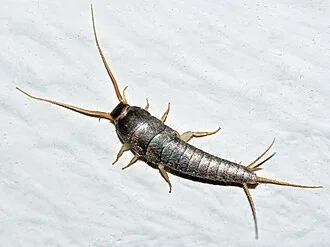
Silverfish: Identification, Damage and Prevention in Bangalore
Reviewed by: Standard Pest Control technical team · Bangalore, Karnataka · Last reviewed: 22 September 2026
Editorial note: This page provides general education and first-step identification. Appearance can vary by life stage and species. Do not make a final identification from a photograph alone when treatment, structural damage, food safety or health concerns are involved.
Pest overview
Silverfish activity often points to excess humidity, condensation, leaks, limited ventilation or cluttered storage.
How to identify silverfish
| Feature | What to look for |
|---|---|
| Appearance | Colour and size vary by species and life stage. |
| Common signs | Look for live insects at night, cast skins, irregular grazing on paper edges and activity around damp storage. |
Common signs and where they hide
Look for live insects at night, cast skins, irregular grazing on paper edges and activity around damp storage.
Bookshelves, wall cracks, skirting gaps, damp cupboards, boxes, wallpaper voids and bathrooms.
What attracts them
Humidity, paper, cardboard, starch-based glue, clutter, condensation and poor ventilation.
Prevention tips
- Improve ventilation.
- Repair leaks and condensation.
- Store books off the floor.
- Reduce cardboard and clutter.
When professional control is needed
Repeated sightings, valuable paper damage or unresolved dampness needs inspection.
Common silverfish groups
Customer-facing content can refer to silverfish and firebrats, which are similar insects with different preferences for temperature and moisture. Close inspection is needed for confident identification.
Life cycle
Young silverfish resemble adults and continue moulting as they grow. They can survive for long periods in stable, humid hiding places and may remain unnoticed in stored materials.
Risks and damage
Silverfish are generally a nuisance rather than a direct disease concern. They may mark or damage books, paper, wallpaper, fabrics and adhesives. Activity can indicate a wider moisture or storage problem.
When professional control is needed
Arrange an inspection when activity is repeated, valuable books or documents are affected, dampness cannot be resolved, or insects emerge from wall and storage voids.
Frequently asked questions
Can I identify this pest from a photograph alone?
A photograph can provide a useful first clue, but appearance varies by life stage and species. A site inspection is appropriate when activity repeats, spreads or affects health, food safety or structural materials.
When should I arrange professional pest control?
Arrange an inspection when signs continue after prevention, activity spreads, treatment affects a sensitive property or the source is hidden or difficult to access.
What are the common signs?
Look for live insects at night, cast skins, irregular grazing on paper edges and activity around damp storage. Look for changes over time and arrange an inspection if evidence repeats.
How can I prevent activity?
Start with the prevention steps below, then address moisture, food, waste, entry gaps or harbourage conditions specific to the property.