Rats and Mice: Signs, Entry Points and Prevention in Bangalore
Reviewed by: Standard Pest Control technical team · Bangalore, Karnataka · Last reviewed: 22 September 2026
Editorial note: This page provides general education and first-step identification. Appearance can vary by life stage and species. Do not make a final identification from a photograph alone when treatment, structural damage, food safety or health concerns are involved.
Pest overview
Rats and mice use wall cavities, ceiling voids, drains, gardens and waste areas. They need food, water and shelter, so activity often increases when waste or building gaps are not managed.
How to identify rats and mice
| Feature | What to look for |
|---|---|
| Appearance | Colour and size vary by species and life stage. |
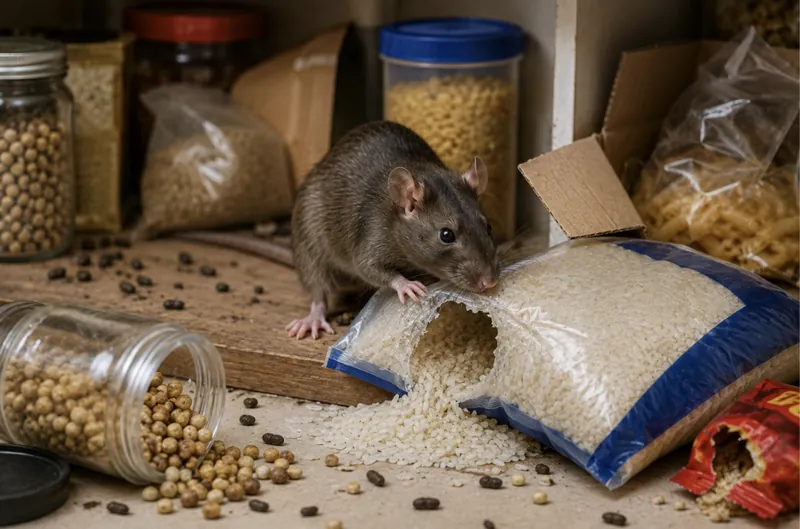
| Common signs | Look for fresh droppings, gnaw marks, urine odour, greasy rub marks, nesting material, scratching and disturbed food packages. |
Common signs and where they hide
Look for fresh droppings, gnaw marks, urine odour, greasy rub marks, nesting material, scratching and disturbed food packages.
Ceiling voids, wall cavities, behind appliances, storage racks, false ceilings, drains, vegetation and waste areas.
What attracts them
Unsealed food, open bins, pet food, standing water, dense vegetation, cardboard, clutter and gaps around pipes or doors.
Prevention tips
- Seal openings wider than a pencil.
- Keep food and waste in closed containers.
- Store stock off the floor and away from walls.
- Maintain door sweeps and screens.
When professional control is needed
Repeated droppings, scratching, damaged wiring or activity in restaurants, warehouses or shared buildings needs professional control.
Common rodent categories
Customer-facing categories include house mice, roof rats, Norway rats and bandicoot rats. Droppings, gnawing patterns, tracks, nesting locations and entry points help a technician narrow the likely identification.
Life cycle
Rodents mature quickly and can reproduce several times a year when food, water and shelter are available. Young animals or multiple sizes of droppings can suggest ongoing breeding or repeated access.
Risks and damage
Rodents contaminate food and storage areas through droppings, urine and contact with packaging. They may gnaw electrical wiring, insulation, wood, plastic and stored goods. Food businesses and warehouses face additional hygiene and compliance concerns.
When professional control is needed
Arrange professional control when droppings or scratching continue, food storage or wiring is affected, several entry points are visible, or rodents move through a restaurant, warehouse or shared building. Safe control combines inspection, exclusion and monitoring.
Frequently asked questions
Can I identify this pest from a photograph alone?
A photograph can provide a useful first clue, but appearance varies by life stage and species. A site inspection is appropriate when activity repeats, spreads or affects health, food safety or structural materials.
When should I arrange professional pest control?
Arrange an inspection when signs continue after prevention, activity spreads, treatment affects a sensitive property or the source is hidden or difficult to access.
What are the common signs?
Look for fresh droppings, gnaw marks, urine odour, greasy rub marks, nesting material, scratching and disturbed food packages. Look for changes over time and arrange an inspection if evidence repeats.
How can I prevent activity?
Start with the prevention steps below, then address moisture, food, waste, entry gaps or harbourage conditions specific to the property.