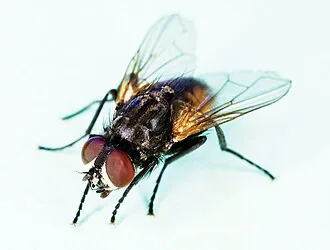
Houseflies: Breeding Sources and Prevention in Bangalore
Reviewed by: Standard Pest Control technical team · Bangalore, Karnataka · Last reviewed: 22 September 2026
Editorial note: This page provides general education and first-step identification. Appearance can vary by life stage and species. Do not make a final identification from a photograph alone when treatment, structural damage, food safety or health concerns are involved.
Pest overview
Fly control is most effective when adults, breeding material, waste routines, drains, screens and entry points are considered together.
How to identify houseflies
| Feature | What to look for |
|---|---|
| Appearance | Colour and size vary by species and life stage. |
| Common signs | Look for flies around bins, food and drains, maggots in waste, surface spotting and activity near waste rooms or grease traps. |
Common signs and where they hide
Look for flies around bins, food and drains, maggots in waste, surface spotting and activity near waste rooms or grease traps.
Ceilings, windows, light fittings, behind appliances, drains and shaded waste areas.
What attracts them
Uncovered food, wet waste, overflowing bins, dirty drains, grease traps and open doors or windows.
Prevention tips
- Keep bins lidded and empty them on schedule.
- Clean drains and areas behind equipment.
- Store food covered.
- Keep waste areas clean and dry.
When professional control is needed
Continuing activity after cleaning, maggots, food-area activity or an unknown breeding source needs inspection.
Common fly groups
Customer-facing pages may distinguish the housefly, blowfly and bottle fly. Drain flies are a separate group: they are smaller, moth-like insects associated with organic residue inside drains.
Life cycle
Female flies lay eggs in moist organic material. Larvae develop in the material, pupate and emerge as adults. Warm weather can make the cycle rapid, so a small sanitation failure can produce noticeable activity.
Risks and business impact
Houseflies can transfer contaminants to food and preparation surfaces. In food, healthcare and hospitality settings, repeated activity can affect hygiene standards, inspections, customer confidence and business reputation.
When professional control is needed
Arrange professional fly control when activity continues after waste and drain cleaning, maggots are found, flies are present in food or healthcare areas, or the breeding source is outside your immediate premises.
Frequently asked questions
Can I identify this pest from a photograph alone?
A photograph can provide a useful first clue, but appearance varies by life stage and species. A site inspection is appropriate when activity repeats, spreads or affects health, food safety or structural materials.
When should I arrange professional pest control?
Arrange an inspection when signs continue after prevention, activity spreads, treatment affects a sensitive property or the source is hidden or difficult to access.
What are the common signs?
Look for flies around bins, food and drains, maggots in waste, surface spotting and activity near waste rooms or grease traps. Look for changes over time and arrange an inspection if evidence repeats.
How can I prevent activity?
Start with the prevention steps below, then address moisture, food, waste, entry gaps or harbourage conditions specific to the property.