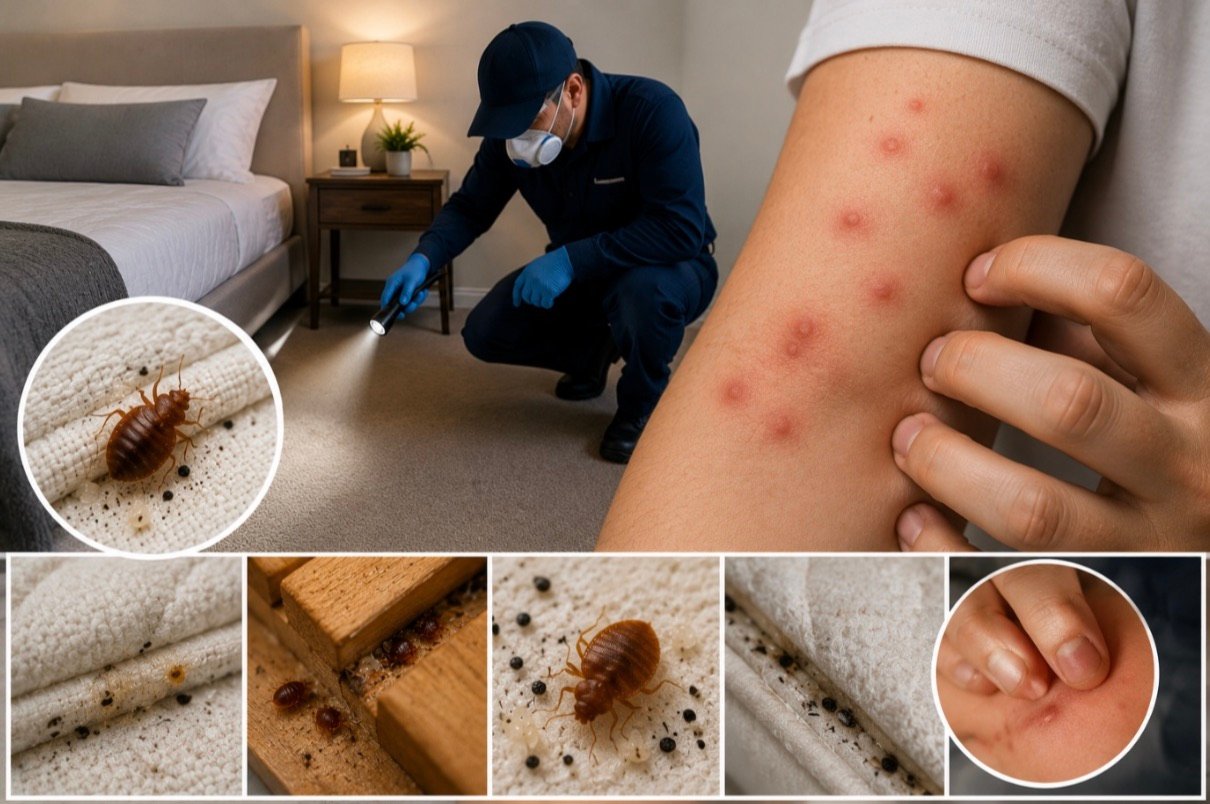
Bed bug bites can be alarming, especially when you wake up with itchy red marks and don't know where they came from. A common concern among homeowners is whether bed bugs spread diseases or whether their bites can cause serious health problems.
For most people, bed bug bites are not considered medically dangerous, and bed bugs are not known to transmit disease to people in the way mosquitoes or some ticks can. However, bites can cause itching, skin irritation, loss of sleep, and occasionally allergic reactions or secondary skin infections caused by scratching.
At the same time, bites alone cannot confirm a bed bug infestation. Mosquito bites, flea bites and several skin conditions can look similar. If you suspect an infestation, the important next step is to inspect for physical evidence of bed bugs and address the source.
For professional bed bug inspection and treatment in Bangalore, visit Standard Pest Control or the Bed Bug Control Bangalore service page.
What Happens When a Bed Bug Bites You?
Bed bugs are blood-feeding insects. They generally feed while people are sleeping or resting. During feeding, a bed bug pierces the skin and takes a blood meal. The person may not immediately notice the bite.
Later, some people develop:
- Red marks
- Itching
- Mild swelling
- Small raised bumps
- Local skin irritation
However, reactions vary considerably between individuals.
What Do Bed Bug Bites Look Like?
Bed bug bites are often described as small, itchy, red or raised marks. They may appear:
- Individually
- In small clusters
- In irregular groups
- Sometimes roughly in a line
Common exposed areas include:
- Arms
- Legs
- Hands
- Neck
- Face
- Shoulders
But appearance alone is not enough to diagnose bed bugs.
Do Bed Bug Bites Appear in a Straight Line?
Sometimes bites appear in lines or clusters, which has contributed to the popular idea of a bed bug "breakfast, lunch and dinner" pattern. However, this pattern is not a reliable diagnostic test.
Bite appearance can vary because of:
- How the person was sleeping
- Where insects had access to skin
- Individual skin reactions
- Multiple insects feeding
Don't diagnose an infestation solely from the pattern of skin marks.
Are Bed Bug Bites Dangerous?
For most people, bed bug bites cause temporary discomfort rather than serious illness.
The most common concerns are: Itching → Skin irritation → Scratching → Possible secondary infection
Some people may also experience more pronounced allergic reactions. Repeated infestations can additionally interfere with sleep and cause considerable stress.
Do Bed Bugs Spread Diseases?
Unlike mosquitoes, bed bugs are not currently considered proven vectors of human disease under ordinary real-world conditions. Researchers have detected various microorganisms associated with bed bugs, but detecting a pathogen is different from proving that the insect effectively transmits disease to people. This distinction is important.
So, while bed bugs are unquestionably unwanted pests and can affect well-being, the primary health concerns are generally related to bites, allergic responses, scratching, sleep disruption and infestation-related stress rather than established disease transmission.
Can Bed Bug Bites Cause Allergic Reactions?
Yes. Reactions vary significantly. One person may have almost no visible reaction, while another may develop larger, itchy, swollen areas.
In uncommon cases, a more serious allergic reaction may occur. Seek urgent medical care if someone develops symptoms such as difficulty breathing, swelling of the face or throat, faintness, or other signs of a severe allergic reaction.
Why Do Some People Get Bites While Others Don't?
Two people sleeping in the same room can appear to have completely different experiences. One may develop obvious itchy marks. The other may show almost nothing.
This doesn't necessarily mean bed bugs are biting only one person. People differ in how visibly their skin reacts. Therefore: no visible bites does not prove there are no bed bugs.
Can Bed Bug Bites Become Infected?
Bed bug bites themselves do not automatically become infected. The greater concern is repeated scratching. Scratching can damage the skin and potentially allow bacteria to enter.
Possible signs of a developing skin infection can include increasing:
- Redness
- Pain
- Warmth
- Swelling
- Drainage
If a bite area appears infected or symptoms are worsening, consult a healthcare professional.
Not sure what's causing the problem? Get a professional inspection before you decide on treatment.
Book Free Inspection Call NowShould You Scratch Bed Bug Bites?
Try to avoid excessive scratching. Although itching can be frustrating, scratching may damage the skin. Basic measures such as keeping the area clean and avoiding irritation may help.
For persistent, severe or unusual reactions, consult a doctor or pharmacist for appropriate advice rather than experimenting with unverified remedies.
How Long Do Bed Bug Bites Last?
There is no exact timeline that applies to everyone. Some people's reactions resolve relatively quickly, while others may experience irritation for longer.
Factors include:
- Individual sensitivity
- Severity of reaction
- Scratching
- Number of bites
If skin symptoms persist, worsen or concern you, seek medical advice.
Can Bed Bug Bites Appear Later?
Yes. A visible reaction does not necessarily appear immediately after feeding. This creates confusion because someone may notice a mark later and assume they were bitten at that exact time. This is another reason bite timing alone cannot reliably locate an infestation.
Can Bed Bugs Bite Children?
Yes. Bed bugs can feed on anyone who is accessible. Children may scratch itchy areas, so caregivers should watch for broken skin or signs of worsening irritation.
If a child has a significant reaction, persistent symptoms or signs of infection, seek appropriate medical advice.
Are Bed Bug Bites Dangerous During Pregnancy?
Bed bugs themselves are not established vectors of human disease, but anyone experiencing significant bite reactions or other health concerns during pregnancy should discuss them with their healthcare professional.
Pest-control decisions are a separate issue. If treatment is required, tell the pest-control company about household circumstances and follow all product-label, preparation and re-entry instructions.
Can Bed Bugs Cause Anaemia?
Severe, prolonged infestations involving frequent feeding have rarely been associated with anaemia, particularly in vulnerable circumstances. This is not the typical outcome of an ordinary household infestation, but a very heavy infestation should not be ignored.
If someone has symptoms that could indicate anaemia or another medical problem, they should be assessed by a healthcare professional rather than assuming bed bugs are the cause.
Can Bed Bugs Affect Sleep?
Yes, and this can be one of the most significant effects of an infestation. People may become worried about going to bed because they expect to be bitten.
This can contribute to:
- Difficulty sleeping
- Repeated waking
- Fatigue
- Reduced concentration
Eliminating the infestation is therefore important not only for controlling bites but also for restoring a comfortable sleeping environment.
Bed Bug Bites vs. Mosquito Bites
It can be difficult to distinguish them based on skin appearance alone. Mosquito bites and bed bug bites may both cause:
- Itching
- Redness
- Raised bumps
Instead of relying on the bite, inspect the sleeping area for actual pest evidence.
Bed Bug Bites vs. Flea Bites
Flea bites are often associated with lower legs and ankles, although patterns vary. Bed bug bites can occur on exposed skin while sleeping. Again, location alone is not enough for definite identification. Find the pest.
Bed Bug Bites vs. Skin Conditions
Not every unexplained red mark is an insect bite. Possible alternatives include:
- Contact irritation
- Allergic reactions
- Other insect bites
- Various skin conditions
A pest-control technician can inspect for evidence of bed bugs, while a healthcare professional can evaluate concerning skin symptoms. The two roles should not be confused.
Ready to get this sorted? Ask us about a structured, documented treatment plan.
Book Free Inspection WhatsApp UsHow Can You Confirm Bed Bugs?
Look for physical evidence. Inspect:
- Mattress seams
- Mattress piping
- Bed-frame joints
- Headboards
- Screw holes
- Bedside furniture
- Sofa seams
Look for: Live Bed Bugs + Eggs + Nymphs + Shed Skins + Dark Spotting
Where Do Bed Bugs Usually Hide?
Bed bugs prefer protected harbourages near places where people sleep or rest. Common hiding areas include: Mattress Seams → Bed Frames → Headboards → Furniture Joints → Sofas → Cracks and Crevices
What Do Bed Bugs Actually Look Like?
Adult bed bugs are generally:
- Flat and oval when unfed
- Brown to reddish-brown
- Wingless
- Approximately 5–7 mm long
Young nymphs are much smaller and may be pale.
Don't Use Bites to Measure Treatment Success
Suppose professional treatment was completed yesterday and someone notices another red mark today. That does not automatically mean "the treatment failed." Skin reactions may be delayed, and existing irritation can persist.
Treatment success should be assessed through physical inspection, monitoring, follow-up, and trends in confirmed bed bug activity.
What Should You Do If You Find Bed Bugs?
Avoid immediately spraying every surface. A better approach follows these steps.
1. Confirm the Pest
Capture a specimen or take a clear photograph if possible.
2. Inspect the Room
Identify likely harbourages.
3. Avoid Spreading Belongings
Don't carry potentially infested bedding and furniture throughout the home.
4. Consider Professional Inspection
This is especially important for established or multi-room infestations.
5. Follow a Treatment Programme
Treatment may include chemical, heat, physical or other professional approaches depending on the situation.
6. Monitor and Follow Up
Continue checking for confirmed activity after treatment.
Should You Use Bed Bug Spray on Bites?
No. Bed bug pesticide products are designed for pest control — not for application to human skin. Never apply household insecticide or bed bug spray to your body to prevent bites. Use only medical or skin-care products specifically intended for human use and follow their directions.
Should You Spray Your Mattress?
Don't automatically spray the entire mattress. A pesticide should only be applied to a mattress or specific mattress areas when the product label explicitly permits that application.
Never spray:
- Pillows
- Sheets
- Blankets
- Clothing
unless the product is specifically labelled for the intended use.
Why DIY Treatment Can Fail
Bed bugs can remain hidden beyond the visible mattress surface. DIY treatment may kill exposed insects while missing:
- Eggs
- Nymphs
- Adults inside cracks
- Bugs inside furniture joints
Avoid Bug Bombs
Total-release foggers are not a good substitute for targeted bed bug management. Bed bugs may remain protected deep inside harbourages while pesticide disperses through open areas.
Professional Bed Bug Treatment Options
Depending on the infestation and property, professional approaches may include the following.
Chemical Treatment
Appropriately labelled products are targeted to suitable harbourages.
Heat Treatment
Controlled temperatures are used to kill bed bug life stages when lethal conditions reach the harbourages.
Cryonite
Extremely cold CO₂ snow is used for targeted physical treatment.
Frequently Asked Questions
Are bed bug bites dangerous?
For most people, bed bug bites cause itching and skin irritation rather than serious illness. Allergic reactions and secondary infection from scratching can occasionally occur.
Do bed bugs carry diseases?
Bed bugs are not currently considered proven vectors of human disease in the way mosquitoes or some ticks are.
Can bed bug bites cause infection?
Scratching can break the skin and potentially lead to secondary bacterial infection.
Can bed bug bites cause an allergic reaction?
Yes. Reactions range from little or no visible response to more pronounced swelling and itching. Severe allergic reactions are uncommon but require urgent medical attention.
Do bed bugs bite every night?
Feeding patterns vary, so the absence of a new visible reaction on a particular night does not prove the infestation is gone.
Why does my partner have bites but I don't?
People react differently. One person may develop obvious marks while another shows little visible reaction.
Are bed bug bites painful?
Many people do not notice the actual feeding immediately. Itching and irritation may develop later.
How long do bed bug bites last?
It varies between individuals. Persistent, severe or worsening symptoms should be assessed by a healthcare professional.
Can you tell bed bugs from bites alone?
No. Bite appearance alone cannot reliably confirm a bed bug infestation.
What is the best way to confirm bed bugs?
Inspect for physical evidence such as live insects, eggs, shed skins and characteristic spotting.
Final Thoughts
If you are waking up with unexplained bites, don't rely on the skin marks alone to identify the pest. A professional inspection can determine whether bed bugs are actually present and locate their hiding places.
Standard Pest Control provides professional pest-control services in Bangalore. For dedicated service information, visit the Bed Bug Control Bangalore service page.
A professional bed bug programme should focus on: Identification → Inspection → Treatment → Monitoring → Follow-Up
So, are bed bug bites dangerous? For most people, they are more likely to cause itching, irritation and discomfort than serious physical illness. However, allergic reactions, skin damage from scratching, secondary infection and sleep disruption can make an infestation a genuine health and quality-of-life concern.
Most importantly: don't diagnose bed bugs from bites alone. Find the physical evidence. If bed bugs are confirmed, deal with the infestation rather than concentrating only on the bites.
Related reading: DIY vs. Professional: Why Most Bangalore Homeowners Fail to Kill Bed Bugs? | Professional Bed Bug Treatment in Bangalore | Bed Bug Treatment Bangalore: Spot & Stop Infestations Fast | Will You Have to Discard Your Expensive Furniture Due to Bed Bugs? Here's the Truth | Bed Bug Treatment Bangalore: Can They Travel Through Walls?